Disclaimer:
Please be aware that the content herein has not been peer reviewed. It consists of personal reflections, insights, and learnings of the contributor(s). It may not be exhaustive, nor does it aim to be authoritative knowledge.
Overview
Prepared by (Name of the experimenter)
Tran Huong Giang - Head of Experimentation
On date (Day/Month/Year)
14/01/2024
Current status of experimental activity
Completed
What portfolio does this activity correspond to? If any
Public Sector Innovation
What is the frontier challenge does this activity responds to?
The frontier challenge that this activity responds to is how to leverage the night-time economy and tourism as a driver for sustainable and resilient urban development. The activity seeks to explore new ways of enhancing the attractiveness, diversity, and safety of night-time activities and services, as well as promoting the participation and well-being of local residents and visitors.
What is the learning question(from your action learning plan) is this activity related to?
The learning question that this activity relates to is how to design and implement a city lab model that can facilitate cross-sectoral collaboration, experimentation, and learning for urban innovation. The activity involves setting up a multi-disciplinary task force, conducting research and analysis, proposing and selecting ideas, organizing and evaluating pilot events, and reporting and disseminating the results and recommendations.
Please categorize the type that best identifies this experimental activity:
Quasi experimental (Analytical, observations, etc)
Which sector are you partnering with for this activity? Please select all that apply
Public Sector
Please list the names of partners mentioned in the previous question:
Da Nang Provincial People’s Committee
Design
What is the specific learning intent of the activity?
The learning intent of the activity is to test the application of the night lab model - a precursor to the city lab model - for Da Nang city, and to propose innovative solutions to promote night-time economy and tourism development.
What is your hypothesis? IF... THEN....
The hypothesis of the activity was: If street music performances are organized at night in different locations and themes, then the night economy and tourism of Da Nang will be enhanced.
Does the activity use a control group for comparison?
No, it does not use a control group
How is the intervention assigned to different groups in your experiment?
Non-random assignment
Describe which actions will you take to test your hypothesis:
Conducted a survey and a focus group discussion with potential participants and stakeholders to assess their needs, preferences, and expectations for the night economy and tourism activities.
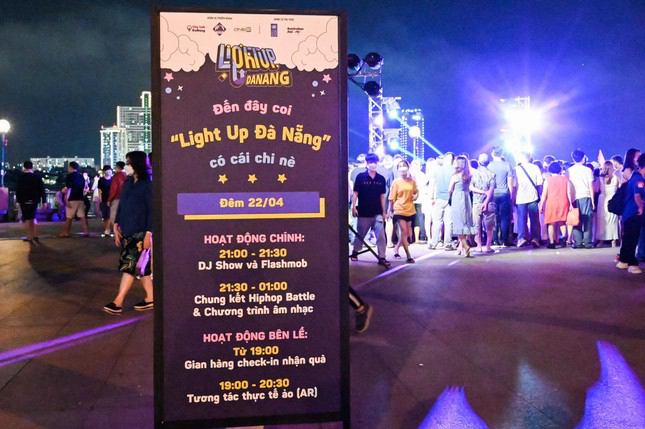
Designed and planned four experimental events, each with a different location and theme, to attract and cater to different segments of the target audience.
Coordinated with relevant authorities and partners to secure the venues, permits, equipment, and performers for the events.
Promoted the events through various channels, such as social media, flyers, banners, and word-of-mouth.
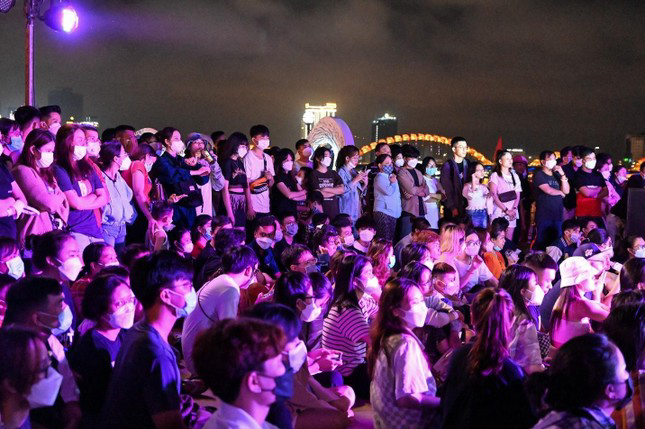
Implemented the events, ensuring the quality, safety, and diversity of the performances and services.
Collected feedback and data from the participants, performers, organizers, and observers, using methods such as questionnaires, interviews, observation, and photography.
Analyzed the feedback and data to measure the impacts and outcomes of the events, such as the number and satisfaction of the participants, the income and expenditure of the organizers and performers, the changes in the perception and behavior of the residents and visitors, and the challenges and lessons learned from the implementation.
What is the unit of analysis of this experimental activity?
The unit of analysis of this experimental activity is the individual participant, who can be a resident or a visitor of Da Nang, and who attended one or more of the experimental events.
Results
Was the original hypothesis (If.. then) proven or disproven?
The hypothesis was partially proven by the results of the pilot events, which showed positive impacts on the participants, the public space, and the local economy.
Do you have observations about the methodology chosen for the experiment? What would you change?
The methodology chosen for the experiment was to form a working group consisting of representatives from various sectors and agencies, and to collaborate with UNDP to design and implement a series of night-time cultural and artistic events in selected locations. Some observations about the methodology are:
The working group was able to mobilize resources and creativity from different stakeholders and to propose and test innovative solutions for the night economy and tourism.
The collaboration with UNDP provided technical and financial support, as well as access to international best practices and networks.
The pilot events were designed to be participatory, inclusive, and diverse, reflecting the cultural identity and potential of Da Nang.
The pilot events also faced some challenges, such as the impact of the COVID-19 pandemic, the coordination among multiple actors, the legal and regulatory framework, and the evaluation and monitoring system.
From design to results, how long did this activity take? (Time in months)
The activity took about 22 months from design to results, from July 2020 to May 2022.
What were the actual monetary resources invested in this activity? (Amount in USD)
Does this activity have a follow up or a next stage? Please explain
The activity has a follow-up stage, which is to prepare a report on the pilot experiment, including the evaluation of the impacts, the lessons learned, and the recommendations for policy and scaling up. The report will be submitted to the Da Nang People’s Committee and UNDP for approval and dissemination.
Is this experiment planned to scale? How? With whom?
The experiment is planned to scale up in the following ways:
Expanding the scope and frequency of the night-time cultural and artistic events to other locations and seasons, and involving more artists, performers, and audiences.
Developing and implementing a comprehensive strategy and action plan for the night economy and tourism, based on the findings and recommendations of the pilot experiment.
Establishing a permanent and institutionalized city lab for Da Nang, with a clear mandate, structure, and resources, to continue to foster innovation and collaboration for urban development.
Learning
What do you know now about the action plan learning question that you did not know before? What were your main learnings during this experiment?
The main learnings during this experiment were:
The City Lab model is a creative and innovative approach that mobilizes the collective intelligence and collaboration of different stakeholders to find solutions for urban challenges.
The Night Lab concept is a potential way to stimulate the night-time economy and tourism in Da Nang, by creating a safe and attractive space for cultural and artistic activities, as well as enhancing the city’s image and identity.
The experiment involved various steps, such as researching the best practices of City Lab and night-time economy, proposing and selecting ideas, planning and organizing events, and evaluating the results and recommendations.
What were the main obstacles and challenges you encountered during this activity?
The experiment faced some obstacles and challenges, such as the impact of the COVID-19 pandemic, the lack of data and evidence on the night-time economy, the coordination and communication among different actors, and the legal and regulatory framework for night-time activities.
Who at UNDP might benefit from the results of this experimental activity? Why?
It can provide insights and lessons learned on how to apply the City Lab model in different contexts and domains, and how to foster innovation and social change in urban development.
It can showcase the value and impact of UNDP’s support and partnership with local governments and communities, and how to leverage the existing resources and potentials of the city.
Who outside UNDP might benefit from the results of this experiment? and why?
The local government and authorities of Da Nang, who can use the findings and recommendations to inform their policies and strategies for developing the night-time economy and tourism, as well as enhancing the city’s resilience and competitiveness.
The local businesses and entrepreneurs, who can benefit from the increased opportunities and demand for night-time services and products, as well as the improved infrastructure and environment for their operations.
The local residents and visitors, who can enjoy a more diverse and vibrant cultural and social life at night, as well as a safer and more sustainable urban space.






 9Industry, innovation and infrastructure
 11Sustainable cities and communities


Comments
Log in to add a comment or reply.